How Emerging Impact Fund Managers Can Navigate LP Engagement, DFI Dynamics, and Fund Structuring
Impact fund managers are uniquely positioned to shape the future, not only for their investors, but for society at large. Yet fundraising in the impact space is rarely straightforward. Navigating LP expectations, internal DFI dynamics, and fund structuring requires more than a strong impact thesis; it demands strategic clarity, relationship-building, and resilience.
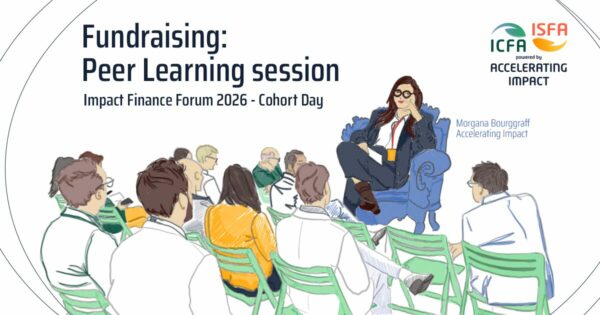
Recent peer learning sessions brought together managers from ICFA and ISFA programmes, including Beyond Finance, Catalyst, Anza Capital, IMPAQTO, Annycent, Big Valley, Impact Earth, Miarakap, Evenpar, and Pandan Green—for a frank exchange on the realities of fundraising. The discussions surfaced practical lessons and shared challenges, alongside strategies for staying mission-aligned while moving funds forward. Below are the key takeaways.
Recognise That Fundraising Challenges Are Systemic
One of the most important reframes for emerging managers is understanding that fundraising difficulties are rarely personal failures. Most managers operate under similar conditions: formal DFI commitments, blended finance structures, and intense pressure to close funds within tight timelines. These constraints are structural and widespread across the ecosystem.
While some managers hope DFIs’ dominance will diminish over time, they remain central actors for now. Acknowledging this reality helps managers focus their energy on strategic responses rather than self-doubt.
Tackle LP Requirements Head-On, With Clarity and Discipline
LPs often bring demanding requirements, including minimum fund sizes, geographic exposure limits, sector focus, and concentration caps. Some are flexible, others far less so—and some regions may be excluded entirely.
Early and transparent engagement, particularly with DFIs, can sometimes uncover more flexibility than expected. Aligning first with anchor LPs can help establish common ground. However, excessive customisation carries risks: adjusting exit timelines, currency exposure, or fund terms for one LP can unsettle others. The key is to build flexibility into the fund structure without compromising its core mission or coherence.
Source LPs Through Relationships, Not Cold Outreach
Across the peer group, one message was consistent: warm relationships outperform cold outreach. Fundraising in impact investing is relational, not transactional.
Conferences and targeted convenings provide the most effective entry points for meaningful conversations. LinkedIn is best used as a research and mapping tool, not a direct fundraising channel. Preparation matters—deep homework on LP priorities, mandates, and constraints signals seriousness and respect. Over time, sustained brandbuilding compounds, making each subsequent fundraising cycle smoother than the last.
Keep LPs Engaged Throughout the Fundraising Cycle
Fundraising is rarely linear and often takes longer than expected. While newsletters can help maintain baseline visibility, managers reported that short, personalised updates are far more effective in sustaining momentum and trust.
Rather than relying on generic mass communications, focus on nurturing relationships with LPs already in dialogue. Thoughtful, tailored engagement keeps impact goals front and centre and reinforces credibility throughout the cycle.
Be Strategic When Re-approaching LPs
Rejection is part of the process, but simply reframing the same pitch rarely changes outcomes. That said, progress can sometimes be made by engaging different teams within DFIs or identifying internal champions.
This approach requires care. Triangulation can backfire if handled insensitively, particularly in complex organisations. Managers emphasised the importance of understanding internal dynamics before attempting reengagement—and of being honest about when persistence is unlikely to pay off.
Navigate Internal DFI Dynamics with Realism
DFIs’ internal processes are a well-known bottleneck. Decision-making is often slow, opaque, and layered. Engaging junior or operational staff can provide valuable insight into where funds get stuck and how decisions actually move.
Importantly, many obstacles are structural rather than personal. Recognising this can help managers manage expectations, conserve energy, and avoid misinterpreting delays as disinterest or rejection.
Know When to Walk Away
One of the most powerful lessons from the peer discussions was the importance of knowing when to stop pursuing a particular LP or DFI. While collective engagement can build trust, it rarely changes mandates or timelines.
Sometimes a lack of progress reflects strategic misalignment rather than poor communication. Being honest about fit—and walking away when necessary—can protect both the fund’s mission and the manager’s time and credibility.
Mind the Time Mismatch
Fund managers often operate under urgent timelines, while DFIs typically move more slowly. This mismatch can create significant strategic tension.
Managers are encouraged to weigh carefully whether adapting to a DFI’s pace and requirements is worth the opportunity cost. Segmenting LPs realistically—based on both alignment and speed—helps focus effort where it is most likely to result in meaningful partnership.
Remember: DFIs Aren’t the Only Option
While DFIs remain influential, they are not indispensable. Many managers reported that family offices, in particular, can be more responsive and flexible.
The takeaway is not to exclude DFIs, but to treat them as one LP category among many. Strategic alignment should drive LP selection. Future funds may or may not include DFIs, depending on fit—and that’s a valid, strategic choice.
Actionable Takeaways for Impact Fund Managers
- Communicate directly and transparently with investors, especially when strategy evolves.
- Embed flexibility into fund design while staying true to your core mission and impact goals.
- Invest in relationships even when LPs are not ready to commit.
- Use LinkedIn for research and brand-building; rely on convenings and referrals for genuine connections.
- Combine rigorous impact measurement with clear storytelling: sharing both successes and challenges builds trust and credibility.
Ultimately, success in fundraising is less about convincing every possible LP and more about understanding who your real partners are, where alignment truly exists, and where it does not. By embracing realism, prioritising relationships, and communicating your journey with clarity, impact fund managers can maximise both financial and societal returns—and continue to lead by example.